
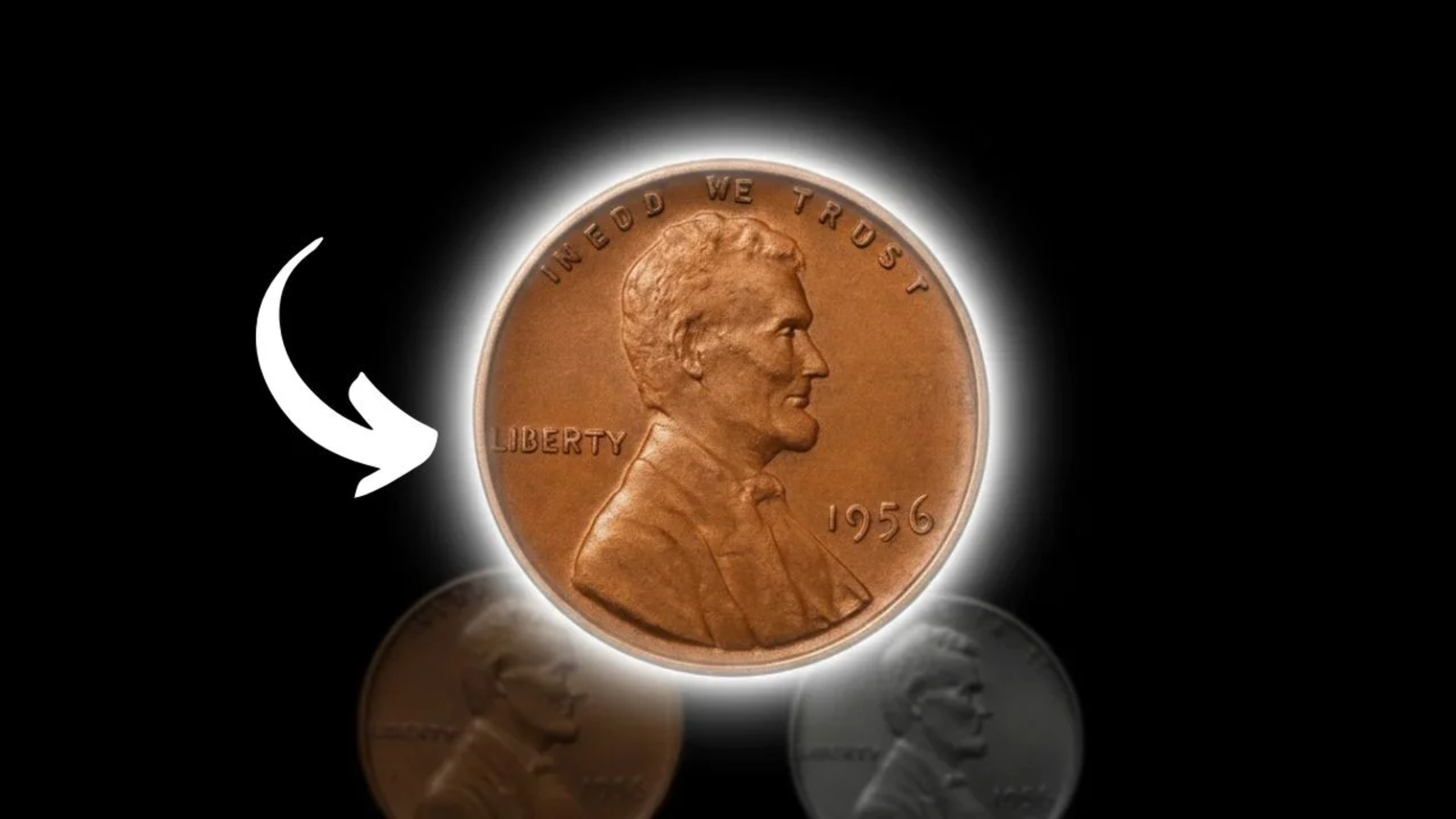
Value of Wheat Pennies In Past 11 Years: Have you ever found an old penny with wheat stalks on the back in a drawer or jar? These Lincoln Wheat cents, minted from 1909 to 1958, were once everyday change—but over the past 11 years (2014–2025), their values have climbed steadily. Common ones rose from a few cents to 20–50 cents each, while rare dates and errors soared to thousands or even millions at auctions.
Fueled by online sales, nostalgia, and new collectors during the pandemic, the wheat penny market turned pocket finds into potential treasures. In this dream guide, we’ll explore how values changed from 2014 to 2025, key trends, standout coins, and tips to check your own collection. Whether you’re a beginner or seasoned hunter, these copper classics offer history, fun, and real profit potential.
From stable prices in the early 2010s to a boom in 2020–2022 and steady growth through 2025, wheat pennies prove small coins can yield big rewards. Values here reflect auction data from Heritage, PCGS, and NGC—always get yours appraised for exact worth.
Key Trends in Wheat Penny Values: 2014 to 2025
The market started quiet in 2014, with common circulated wheat pennies at 2–10 cents and rarities like the 1909-S VDB around $600 in fine condition. By 2020, pandemic hobbies spiked demand—online auctions and YouTube hunts pushed commons to 10–20 cents and keys higher. Post-2022 stabilization saw 20–50% overall gains, with high-grade and errors leading. Copper prices and global buyers added fuel, while certified (slabbed) coins earned 2–10x premiums.
Factors driving the rise:
- Nostalgia and new collectors (millennials joining via apps).
- Digital auctions exposing rarities worldwide.
- Grading boom—PCGS/NGC slabs boost trust and price.
- Inflation making tangible assets appealing.
Common dates quadrupled (2 cents to 20–50 cents circulated), while rarities doubled or more in top grades.
Top Performers: Wheat Pennies That Skyrocketed
Here are standout coins with strong value growth from 2014 to 2025.
| Coin | 2014 Average (Fine/MS63) | 2025 Average (Fine/MS63) | % Increase | Record Sale (Recent) |
|---|---|---|---|---|
| 1943 Bronze (any mint) | $100,000+ / $300,000+ | $200,000+ / $1,000,000+ | 100–200% | $1.7M (1943-D, 2010 but held) |
| 1909-S VDB | $600 / $5,000 | $1,600 / $20,000+ | 167–300% | $168,000 (MS67RD) |
| 1955 Doubled Die | $800 / $10,000 | $2,000 / $50,000+ | 150–400% | $125,000+ |
| 1922 No D (Plain) | $400 / $5,000 | $1,000 / $15,000+ | 150–200% | $92,000 |
| 1914-D | $150 / $2,000 | $400 / $10,000+ | 167–400% | $158,625 (MS66+) |
These gains show rarity and condition rule—errors like doubled dies exploded with visibility.
Spotlight on the 1943 Bronze: The Million-Dollar Error
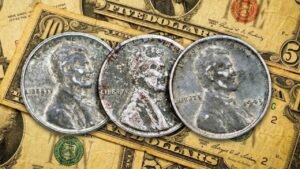
Wartime steel pennies switched for copper conservation, but a few bronze planchets slipped through—only ~20 known. Values doubled since 2014, with gems hitting $1M+.
The 1909-S VDB: First-Year Controversy
Low mintage and removed initials made it instant rare—tripled in mid-grades over 11 years.
Other Risers: Doubled Dies and Missing Marks
1955 doubled die and 1922 no D saw 300%+ jumps as collectors chased dramatic flaws.
How to Value Your Wheat Pennies Today
- Note year and mint mark (“S” San Francisco, “D” Denver, none Philadelphia).
- Check condition: Circulated (worn) vs. uncirculated (shiny).
- Look for errors: Doubling, wrong metal, missing marks.
- Use apps like PCGS CoinFacts for estimates.
- Get graded for big sales—adds 50–200% value.
Common 1940s–1950s: 20–50 cents circulated, $5–$20 uncirculated.
Tips for Collectors and Sellers
- Buy rolls/bags cheap for hunts.
- Store in sleeves—avoid cleaning (lowers value).
- Sell via Heritage Auctions for rarities; eBay for commons.
- Join forums like Reddit r/coins for advice.
FAQs on Wheat Penny Values Past 11 Years
Q: How much did common wheat pennies rise? A: From 2–10 cents in 2014 to 20–50 cents circulated in 2025—200–400% gain.
Q: Biggest gainer? A: Errors like 1955 doubled die and 1943 bronze—up 300%+ in top grades.
Q: Still find valuables in circulation? A: Rare, but old jars/estates yield surprises—check family coins!
Q: Best investment? A: High-grade keys or certified errors—steady 6–10% yearly growth.
Q: Fakes common? A: Yes for 1943 bronze/1909-S VDB—always authenticate big finds.
Conclusion
Wheat pennies over the past 11 years (2014–2025) turned from overlooked change to collector dreams, with commons up 200–400% and rarities like 1943 bronze or 1909-S VDB soaring to $1M+. Trends—nostalgia, online auctions, grading—drove steady growth, making them affordable yet rewarding.
Dig out those jars, learn dates/errors, and start hunting—you might uncover history worth thousands. With demand strong in 2025, wheat pennies blend fun, heritage, and profit. Your dream coin could be waiting—happy collecting!