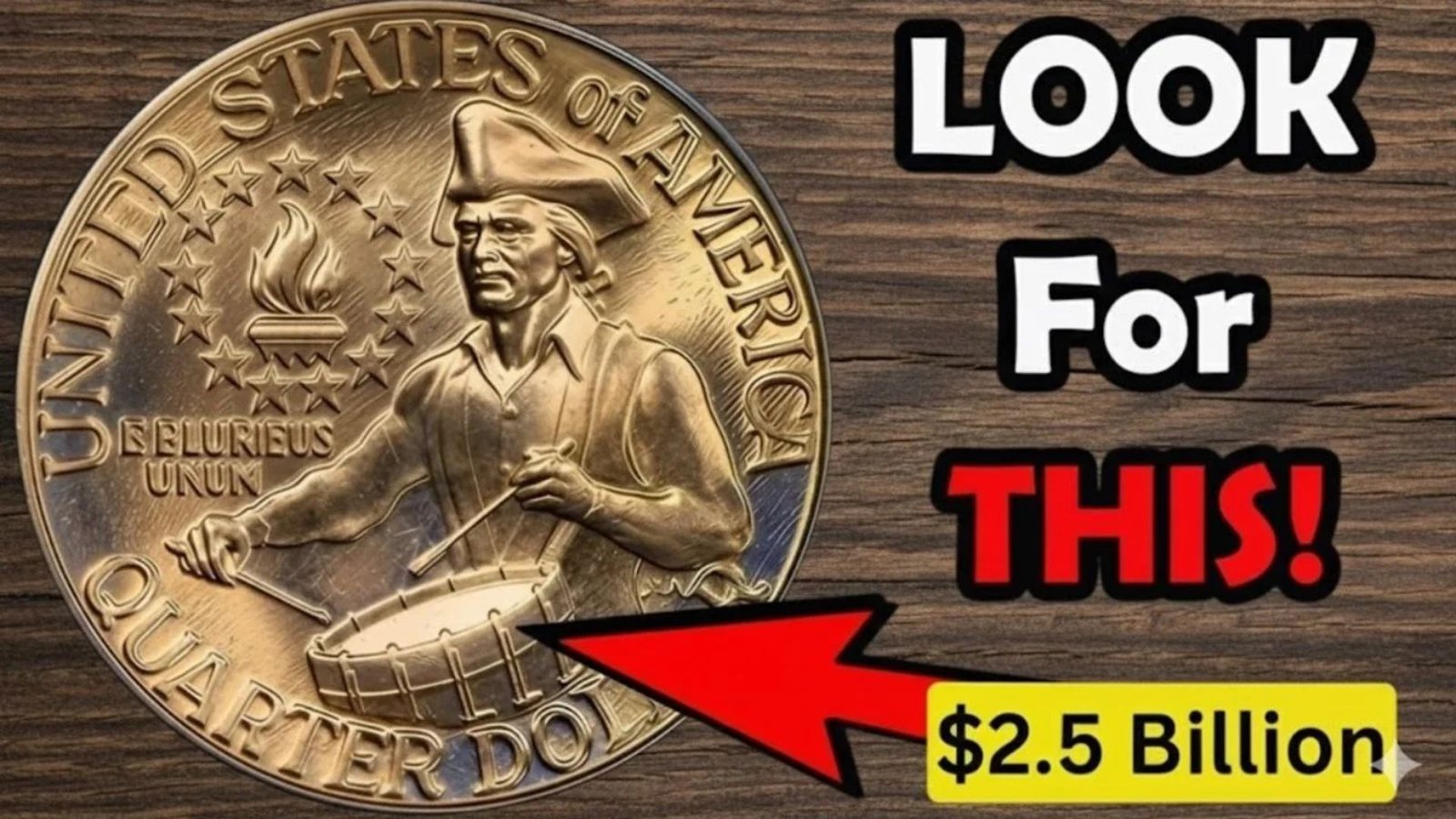
Picture pulling a worn quarter from your pocket and realizing it’s a 1976 Bicentennial with the iconic colonial drummer boy reverse. These 1976 bicentennial quarters—dated 1776-1976—were minted in the billions to celebrate America’s 200th birthday, so most are worth just 25 cents even today. Yet a handful of rare errors and varieties still turn up in circulation, turning everyday change into collectible treasures worth hundreds or thousands in 2025. This guide spotlights the most sought-after ones still circulating, from doubled dies to off-center strikes.
History of the 1976 Bicentennial Quarter
Congress authorized the special design in 1973, featuring Jack L. Ahr’s colonial drummer on the reverse. Over 1.6 billion clad (copper-nickel) versions were struck in 1975-1976 at Philadelphia (no mint mark) and Denver (D). San Francisco made 40% silver proofs for sets only—not for circulation. The massive mintage means commons flood change jars, but rushed production created errors that collectors hunt decades later.
Factors Driving Collectibility in Circulating Coins
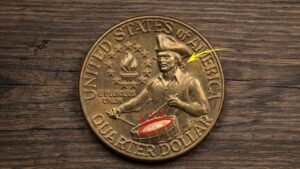
Condition matters most—even circulated errors gain value if striking. Look for sharp details on Washington’s hair or the drummer’s uniform. Mint errors like doubling or misstrikes add premiums, especially on clad circulation issues. No-mint-mark Philadelphia and D Denver coins dominate finds today. Professional grading (PCGS/NGC) authenticates and boosts prices dramatically.
Most Collectible Errors Still Found in Circulation
These errors appear in pocket change, though rare. Values are 2025 estimates for circulated to AU condition unless noted.
| Error Type | Key Features | Approx. Value (Circulated) | Approx. Value (MS-65+) |
|---|---|---|---|
| Doubled Die Obverse (DDO) | Doubling on LIBERTY, date, IGWT (FS-101/102 common on D) | $150–$500 | $1,000–$10,000+ |
| Off-Center Strike | Design shifted, blank crescent area | $100–$400 | $500–$2,000+ |
| Struck on Wrong Planchet | On nickel or dime blank (lighter/heavier) | $500+ | $5,000+ |
| Filled Mint Mark | D or S appears weak or missing | $50–$200 | $300+ |
| Clipped Planchet | Curved missing edge section | $50–$150 | $200+ |
High-Grade Circulation Finds Worth Watching
Superb uncirculated examples occasionally surface from old rolls. MS-67+ no-mint-mark or D coins fetch $100–$500 circulated equivalents are rarer in top shape. Full strike and luster command premiums—many saved coins toned or wore down over time.
How to Spot These in Your Change
Use a 10x loupe: Check obverse for doubling on “LIBERTY” or dates. Flip for off-center or clipped edges. Weigh suspect wrong-planchet coins (normal clad: 5.67g). Compare mint marks—no mark vs. clear D.
Tips for Hunting and Protecting Finds
Search bank rolls or estate jars—errors hide there. Avoid cleaning; it drops value. Store in sleeves or albums. For big suspects, submit to grading services.
FAQs – 1976 Bicentennial Quarters
- Are all 1976 Bicentennial quarters valuable? No—most circulating clad ones are worth 25 cents, even today.
- What’s the most common collectible error still circulating? Doubled die obverse, especially on Denver (D) issues—visible without magnification on strong examples.
- Can silver 1976 quarters be found in circulation? No—40% silver versions were proofs/sets only; clad ruled circulation.
- How rare are off-center 1976 quarters in change? Uncommon but possible—dramatic ones stand out immediately.
- Should I grade a potential error find? Yes for strong errors—authentication prevents fakes and maximizes value.
Conclusion
As of December 2025, 1976 bicentennial quarters remain everyday sights, but error varieties like doubled dies and off-centers keep the hunt alive. Most hold face value, yet that one-in-a-million find could reward patient searchers. Check your change, rolls, or jars—you might pocket a collectible piece of American history worth far more than a quarter.