
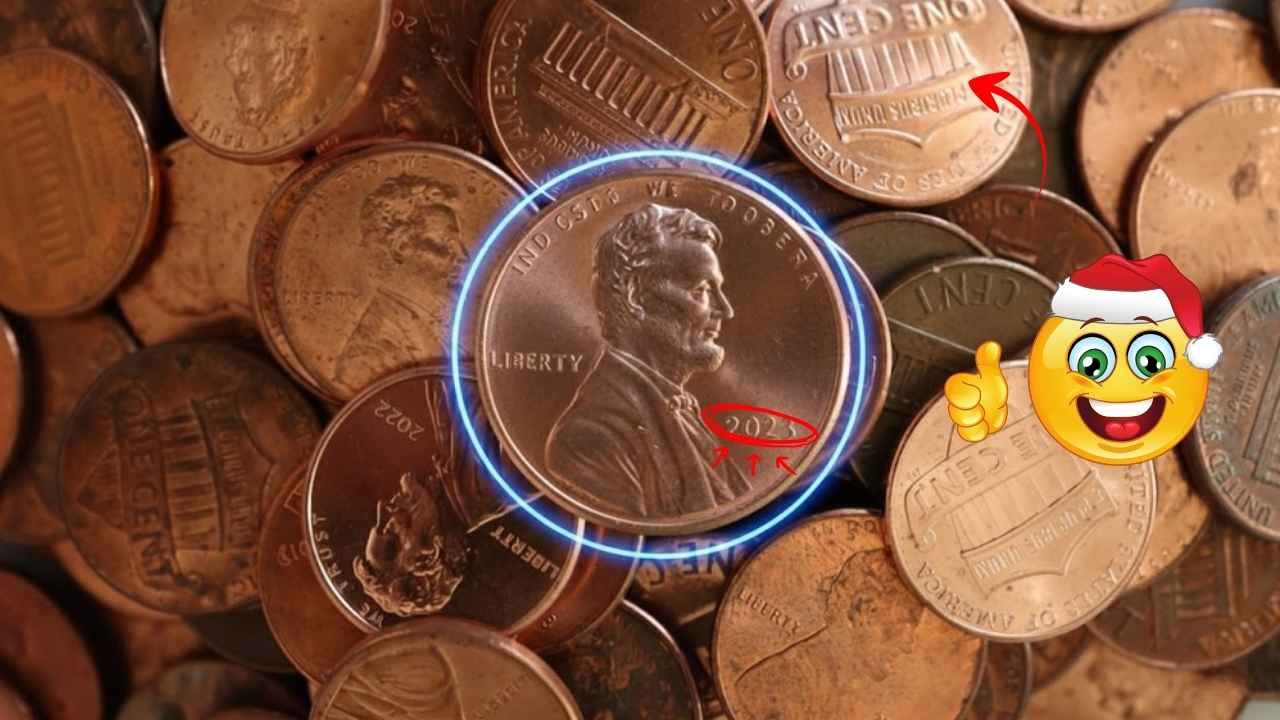
If you’ve found old Wheat pennies — those classic one-cent coins minted from 1909 to 1958 — some of them might be worth far more than a cent. While most wheat cents are common and only worth a few cents, certain rare dates and error varieties can sell for hundreds, thousands, or even hundreds of thousands of dollars.
This guide explains which Wheat pennies are valuable, how to determine their worth, and the best ways to sell them for top profit in 2026.
What Makes a Wheat Penny Valuable?
Most Wheat pennies were mass-produced, so the majority are only worth small amounts — even though they contain copper and are no longer made.
But a penny becomes valuable when it has one or more of the following:
- Rare year or mint mark — some dates had low mintage.
- Minting errors or varieties — like missing mintmarks or doubled dies.
- Excellent condition (high grade) — collectors pay more for coins that look almost new.
- Historical significance — coins tied to special events or production quirks.
Most Wheat pennies are only worth 2–5 cents due to copper content, but rare ones can be worth hundreds of thousandsor more.
Top Valuable Wheat Pennies to Look For
Here are some of the most sought-after Wheat pennies that collectors pay good money for:
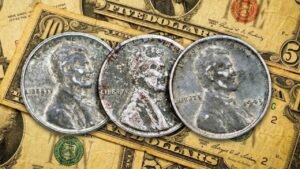
1. 1943 Bronze Wheat Penny
- Why It’s Valuable: During WW2 pennies were struck on steel, but a few were accidentally struck on bronze.
- Value Range: Extremely rare examples have sold for hundreds of thousands to over $1 million in past auctions.
2. 1944-S Steel Penny
- Why It’s Valuable: Another error where steel blanks were mistakenly used in 1944.
- Value Range: High-grade examples have sold for tens of thousands of dollars.
3. 1909-S VDB
- Why It’s Valuable: One of the first Lincoln cents with designer initials. Low mintage makes it a key date.
- Approximate Value: Tens of thousands in high grade.
4. 1922 No D Penny
- Why It’s Valuable: Denver coins from 1922 were supposed to have a “D,” but some were struck without it.
- Value Range: Could be worth thousands to tens of thousands depending on condition.
5. 1955 Doubled Die Penny
- Why It’s Valuable: Displays clear doubling on date and inscriptions, making it an iconic error.
- Value Range: From hundreds to thousands of dollars.
6. 1914-D
- Why It’s Valuable: Low mintage Denver issue; condition matters most.
- Approximate Range: Hundreds to a few thousand.
7. 1931-S
- Why It’s Valuable: San Francisco mint had low production that year.
- Value Range: Hundreds to thousands.
How to Determine the Value of Your Wheat Pennies
1. Check the Date and Mint Mark
- Dates before 1958 matter most.
- “S” or “D” mintmarks indicate San Francisco or Denver — often scarcer.
2. Look for Errors
- Doubled lettering or missing mintmarks can signal high value coins.
3. Examine Condition
- Grade matters: coins in Mint State condition command higher prices.
- Avoid cleaning coins — cleaning can reduce value.
4. Get a Professional Opinion
- For high-value coins (like 1943 bronze), professional grading (PCGS, NGC) can increase price and buyer confidence.
Where to Sell for Maximum Profit
1. Auction Houses
If you have a very rare or high-grade penny (e.g., 1943 bronze), selling through a reputable auction house (Heritage, Stack’s Bowers) can reach serious collectors and bring top bids.
Pros: Often highest prices for rare coins.
Cons: Fees and commissions apply.
2. Online Marketplaces
Platforms like eBay allow you to list coins yourself and set your price or auction terms.
Tips:
- Take clear photos.
- Include detailed descriptions (date, mintmark, grade).
- Use completed sales to set a realistic price range.
3. Coin Dealers
Local coin shops or dealer networks can be convenient, especially for coins that sell at modest premiums.
Note: Dealers may pay less than direct sale to collectors because they need to resell at profit. (Reddit)
4. Coin Shows and Clubs
Selling at shows or through collector clubs connects you directly with knowledgeable enthusiasts and can yield fairer offers without heavy fees.
How to Price Your Coin Listing
Before selling, research recent actual sale prices using:
- Auction result databases (Heritage Auctions)
- Completed listings on eBay
- Price guides like the Red Book
Rare Wheat pennies — especially errors — have strong price history that can help justify your asking price.
Avoiding Scams and Mistakes
With high demand for old pennies, scams are common. Don’t fall for:
- Listings claiming ordinary pennies are “worth thousands” without evidence.
- Buyers pressuring you to ship before payment is secured.
- Offers significantly below known price ranges for rare dates.
Always verify offers and use secure payment methods.
Tips to Maximize Profit
Preserve Condition
- Store coins in holders or flips — scratches and tarnish reduce value.
- Do not clean pennies; original surfaces are more valuable.
Separate Common from Rare
- Don’t sell all coins at once. Sort by date and mintmark first.
- Common wheat pennies should be bundled separately.
Know Your Audience
- Serious collectors are willing to pay premiums for rare key dates or error coins.
- Casual buyers may pay more for visually appealing or high-grade coins.
Typical Market Values (Quick Reference)
| Wheat Penny Type | Circulated Value | Uncirculated/Rare |
|---|---|---|
| Common 1940s–1950s | 2¢–5¢ | $1–$10 |
| 1909-S VDB | $600–$2,000+ | $5,000+ |
| 1914-D | ~$200–$1,000 | $2,500+ |
| 1922 No D | ~$500–$10,000 | $10,000+ |
| 1943 Bronze Error | $50,000–$1M+ | Much higher |
| 1955 Doubled Die | $800–$2,000+ | $20,000+ |
Values can vary widely by condition and exact mint variety.
Conclusion
Selling rare Wheat pennies in 2026 can be both fun and profitable — but it takes correct identification, proper pricing, and the right selling platform. Most Wheat cents are common and only worth a few cents, but a few key dates and error coins are highly prized by collectors and can fetch serious money. Take time to sort and research your coins, consider professional grading for very rare pieces, and choose your selling method wisely to maximize your profit
FAQs
Q1. Are all Wheat pennies valuable?
No — most common Wheat pennies are only worth a few cents in circulated condition. Only rare dates and errors bring high prices.
Q2. How do I know if my penny is rare?
Check the date, mint mark, and look for errors like doubled dies or missing mintmarks. Rare error coins and low-mintage issues are most valuable.
Q3. Should I clean my coins before selling?
No — cleaning usually reduces value. Keep original surfaces intact for top bids.
Q4. Where is the best place to sell rare wheat pennies?
For top values, use auction houses or online marketplaces like eBay with strong listings. Dealers or local coin shows are also options.
Q5. Do I need professional grading?
For high-value coins (like 1943 bronze or key dates), grading from PCGS/NGC can boost price and buyer confidence.