
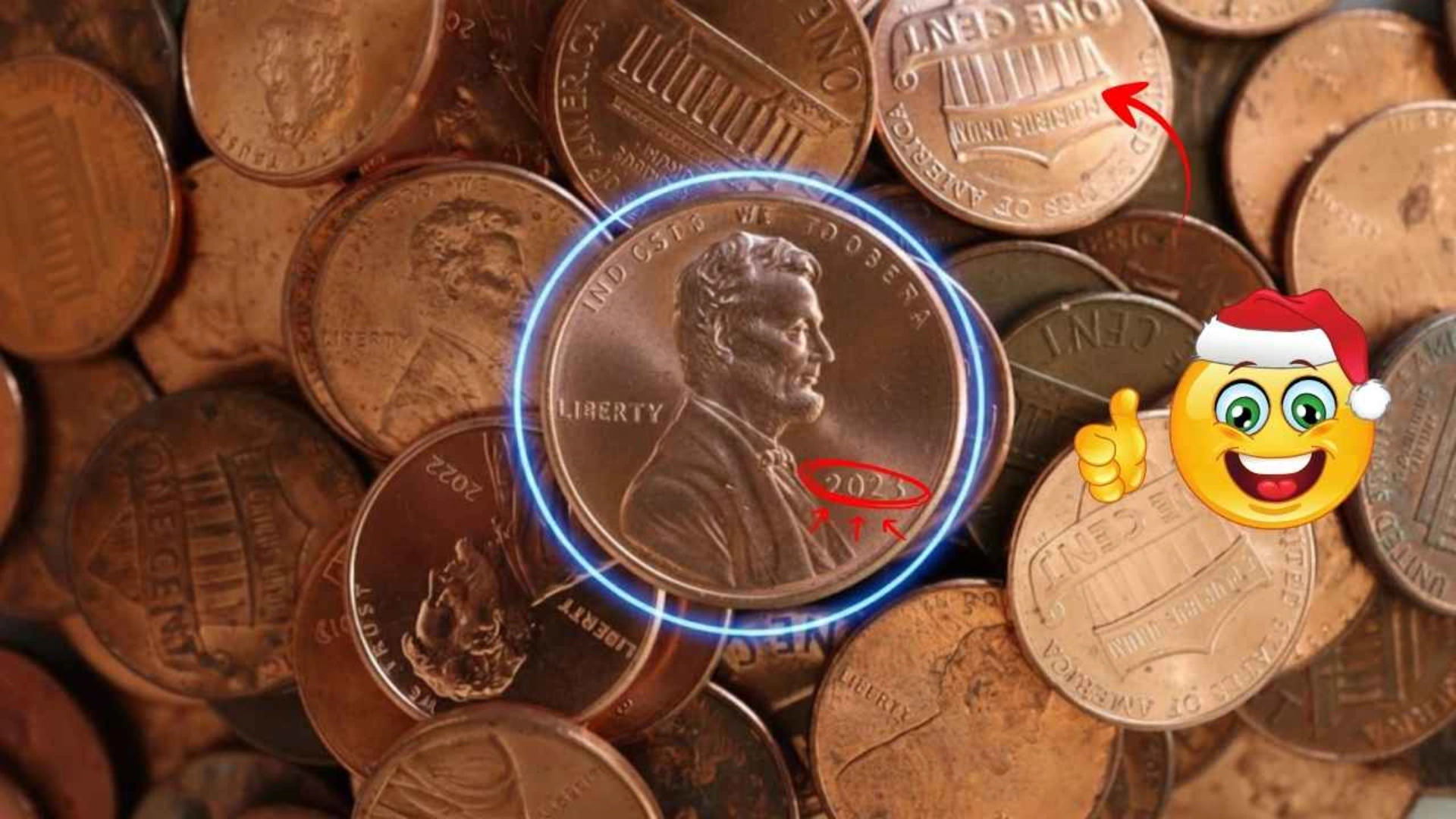
How to Sell Rare Wheat Pennies in 2026: Have you ever found an old penny in a jar and wondered if it’s worth more than one cent? Wheat pennies, those classic coins with Lincoln on the front and wheat stalks on the back, were made from 1909 to 1958. In 2026, some rare ones can fetch hundreds or even millions of dollars. This guide helps you spot valuable ones, check their worth, and sell them smartly for the best profit.
What Are Wheat Pennies?
Wheat pennies, also called Lincoln Wheat Cents, are U.S. one-cent coins minted from 1909 to 1958. They show President Abraham Lincoln on the front (obverse) and two wheat stalks on the back (reverse). These coins mark a key part of American history, including tough times like the Great Depression and World War II. Most are common and worth just a few cents, but rare dates, mint marks, errors, or top condition can make them highly valuable to collectors.
Factors That Affect Wheat Penny Value
Several things decide how much your wheat penny is worth:
- Year and Mint Mark: Look for the small letter under the date (D for Denver, S for San Francisco, or none for Philadelphia). Rare years like 1909-S VDB or 1914-D are prized due to low production.
- Condition (Grade): The better the shape, the higher the price. Coins range from worn (circulated) to perfect (uncirculated).
- Errors and Varieties: Mistakes like the 1955 Doubled Die (doubled letters) or 1943 bronze (should be steel) boost value hugely.
- Color: For uncirculated coins, red (original copper shine) is best, then red-brown, and brown is least valuable.
In 2026, market demand remains strong, especially for certified high-grade coins.
How to Grade Your Wheat Penny
Grading means checking wear. Use a magnifying glass and good light. Key spots:
- Front: Lincoln’s cheek, jaw, hair, and beard.
- Back: Wheat stalk lines and grains.
Common grades:
- Good (G): Heavy wear, date readable, outlines faint.
- Fine (F): Moderate wear, some hair and wheat details visible.
- Very Fine (VF): Light wear, most details sharp.
- Extremely Fine (EF): Very light wear on high points.
- Uncirculated (MS-60+): No wear, full shine. Higher numbers (like MS-65) mean fewer marks.
For valuable coins, get professional grading from PCGS or NGC—it adds trust and often increases price.
Most Valuable Wheat Pennies in 2026
Here are top rare wheat pennies with approximate values in good to mint condition (based on recent auctions and market trends):
| Coin Year & Variety | Key Feature | Circulated Value | Uncirculated/Mint Value |
|---|---|---|---|
| 1943 Bronze (any mint) | Wartime error (copper instead of steel) | $10,000+ | $100,000 – $1,700,000+ |
| 1909-S VDB | Low mintage, designer’s initials | $500+ | $10,000 – $100,000+ |
| 1955 Doubled Die Obverse | Doubled date and letters | $1,000+ | $20,000 – $50,000+ |
| 1914-D | Low Denver mintage | $200+ | $5,000 – $50,000+ |
| 1922 No D (Plain) | Missing mint mark error | $500+ | $10,000 – $30,000+ |
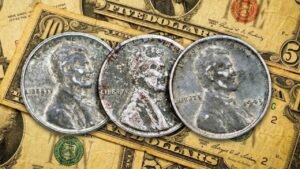
| 1944 Steel | Wartime error (steel instead of copper) | $5,000+ | $50,000+ |
| 1931-S | Low San Francisco mintage | $50+ | $1,000 – $10,000+ |
Values can change with market and condition. Always check recent sales.
Tips for Identifying Rare Wheat Pennies
- Check the date and mint mark first.
- Look for errors: Use a magnet on 1943 pennies—if it doesn’t stick, it might be rare bronze.
- Examine under magnification for doubled images or off-center strikes.
- Common dates (1940s-1950s) are usually low value unless perfect condition.
Sort your coins by year and look up key dates online.
How to Sell Rare Wheat Pennies for Maximum Profit
To get the best price:
- Get It Graded: Professional certification builds buyer trust.
- Choose the Right Place:
- Auction Houses: Heritage Auctions, Stack’s Bowers, or GreatCollections—best for rare, high-value coins (expect fees but higher bids).
- Online Platforms: eBay for direct sales (good photos and descriptions needed).
- Dealers/Buyers: APMEX or local coin shops for quick cash, but often lower offers.
- Specialized Sites: Whatnot or coin forums for collectors.
- Prepare Your Coin: Clean gently only if dirty—never polish, as it reduces value. Take clear photos from both sides.
- Research Prices: Use sites like PCGS Price Guide or recent auction results.
- Avoid Scams: Sell to reputable buyers; insure shipments.
In 2026, online auctions often yield the highest profits due to global buyers.
Conclusion
Wheat pennies offer exciting treasure hunts—from common cents to life-changing rarities. By learning key dates, grading basics, and smart selling steps, you can turn old coins into real profit. Start checking your change jars or collections today. With patience and research, you might uncover a hidden gem worth thousands. Happy collecting and selling!
FAQ
Q: Are all wheat pennies valuable? A: No, most common ones are worth 5-50 cents, but rare dates or errors can be worth thousands.
Q: How do I know if my 1943 penny is rare? A: Most 1943 pennies are steel (stick to a magnet). If it’s copper (no stick), it could be worth $100,000+—get it authenticated.
Q: Is it worth grading common wheat pennies? A: Only if in excellent uncirculated condition; otherwise, save the cost.
Q: Where is the safest place to sell online? A: Reputable auction houses like Heritage or certified dealers like APMEX.
Q: Can cleaning increase value? A: No—cleaning often damages coins and lowers value. Leave them as is.