
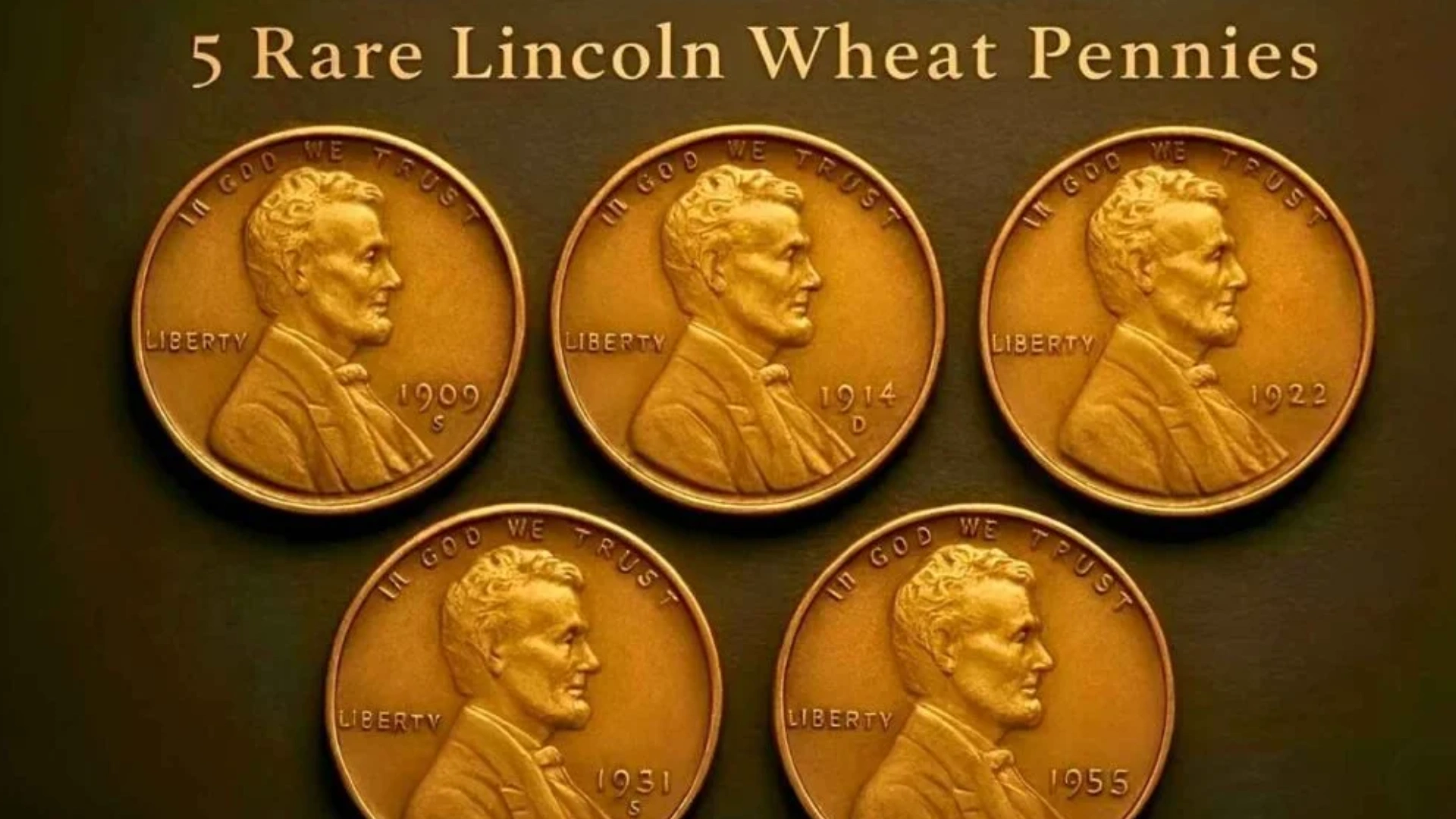
5 Wheat Pennies: Wheat pennies, also known as Lincoln wheat cents, are small U.S. coins made from 1909 to 1958. They show President Abraham Lincoln on the front and two wheat stalks on the back. Most of these pennies are common and worth only a few cents today. But some rare ones, due to low production numbers, minting mistakes, or perfect condition, can sell for thousands or even millions of dollars.
In 2025, interest in rare coins is growing. Collectors love these pennies because they are easy to find in old jars or rolls, yet a special one could bring big money. This guide covers five of the most valuable wheat pennies, why they are special, and tips for spotting them. Checking your old coins might lead to an exciting discovery!
Why Some Wheat Pennies Are So Valuable
Several things make a wheat penny worth more than face value:
- Rarity: Low numbers minted or few surviving in good shape.
- Minting Errors: Mistakes like wrong metal, doubled images, or missing marks.
- Condition: Coins that look new (uncirculated) with original shine fetch the highest prices.
- Mint Mark: Small letters (like “S” for San Francisco or “D” for Denver) show where the coin was made. No mark means Philadelphia.
Professional grading services like PCGS or NGC check coins and seal them in protective cases, boosting their value and trust.
The Top 5 Most Valuable Wheat Pennies
Here are five standout rare wheat pennies that have sold for huge amounts at auctions. Values depend on condition, but top examples reach six or seven figures.
1. 1943 Bronze Penny (Any Mint)
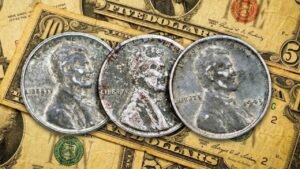
During World War II, pennies were made of steel to save copper for the war. But a few were accidentally struck on bronze blanks left over from 1942.
- Why rare: Only about 20 known across all mints (Philadelphia, Denver, San Francisco).
- Highest sale: One sold for over $1.7 million.
- Current value estimate (excellent condition): $200,000 to $1 million+.
- How to spot: Copper color (not silver steel). Test with a magnet—real bronze won’t stick.
2. 1943-D Bronze Penny
This is the Denver-minted version of the bronze error.
- Why rare: Only one confirmed example exists.
- Highest sale: $840,000 in recent years.
- Current value estimate: Up to $1 million or more if another surfaces.
3. 1909-S VDB Penny
The first year of wheat pennies included the designer’s initials (VDB) on the back. Public complaints led to quick removal, making the San Francisco version scarce.
- Why rare: Only 484,000 minted.
- Highest sale: Over $100,000 in top condition.
- Current value estimate: $1,000 (worn) to $150,000+ (mint state).
4. 1955 Doubled Die Obverse Penny
A minting error caused doubled lettering and date on the front, easy to see without a magnifying glass.
- Why rare: About 24,000 entered circulation before the error was fixed.
- Highest sale: Over $100,000 for red (original copper shine) examples.
- Current value estimate: $500 (circulated) to $50,000+ (uncirculated).
5. 1914-D Penny
Low production at the Denver mint makes this a key date (highly sought regular issue).
- Why rare: Just over 1 million minted.
- Highest sale: Around $150,000 in high grades.
- Current value estimate: $200 (worn) to $100,000+ (excellent).
| Coin Year & Variety | Key Feature | Approximate Mintage/Known | Value Range (2025 Estimates) | Record Sale Price |
|---|---|---|---|---|
| 1943 Bronze (Any Mint) | Wrong metal (bronze instead of steel) | ~20 known | $200,000 – $1,000,000+ | $1.7 million |
| 1943-D Bronze | Denver mint bronze error | 1 known | $500,000 – $1,000,000+ | $840,000 |
| 1909-S VDB | Designer’s initials + low mintage | 484,000 | $1,000 – $150,000+ | $100,000+ |
| 1955 Doubled Die | Obvious doubling on front | ~24,000 affected | $500 – $50,000+ | $100,000+ |
| 1914-D | Low production at Denver | 1.2 million | $200 – $100,000+ | $150,000+ |
Tips for Collecting and Investing in Wheat Pennies
- Where to Find Them: Search coin rolls from banks, old family collections, estate sales, or online marketplaces.
- How to Check Value: Use a magnifying glass for dates, mint marks, and errors. Weigh suspicious 1943 pennies (bronze is heavier than steel).
- Protect Your Coins: Store in plastic holders or albums. Never clean them—it can lower value.
- Get Expert Help: For potential rarities, have them graded professionally. Beware of fakes, especially for high-value errors.
- Investment Advice: Rare coins can grow in value over time, but buy what you enjoy. Diversify and hold long-term.
Frequently Asked Questions (FAQ)
Are all wheat pennies valuable?
No. Most common ones from the 1940s-1950s are worth 5-50 cents. Only rare dates, errors, or perfect-condition coins bring big money.
How can I tell if my 1943 penny is the rare bronze one?
Steel 1943 pennies are silver-colored and stick to a magnet. Bronze ones look like normal copper pennies and do not stick.
What’s the best way to sell a valuable wheat penny?
Use reputable auction houses like Heritage Auctions or sell through certified dealers. Graded coins sell for more.
Do wheat pennies still turn up in circulation?
Rarely for the valuable ones, but common wheat pennies sometimes appear in change or old jars.
Is collecting wheat pennies a good investment in 2025?
It can be, especially for rare pieces, as demand from collectors is strong. Start small and learn as you go.
Conclusion
Wheat pennies are more than old change—they hold pieces of American history and real treasure potential. While most are worth little, the five rare ones highlighted here have made ordinary people wealthy overnight. In 2025, with rising collector interest, now is a great time to sort through those old coins. You never know—one lucky find could change your life. Happy hunting, and always handle potential rarities with care!