
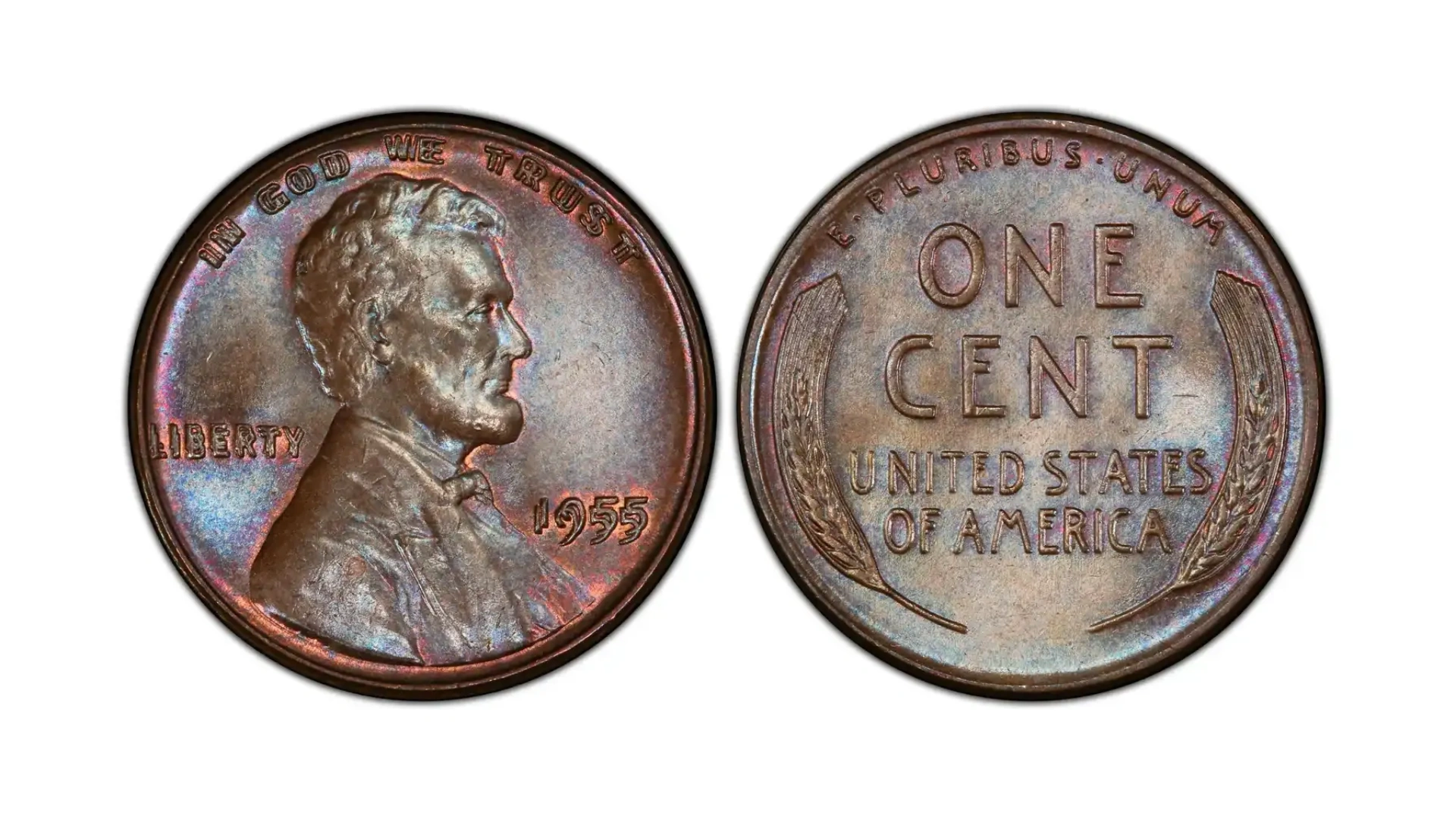
Wheat Penny Price: Imagine pulling a dusty old penny from your grandma’s jar and realizing it’s worth a small fortune. The Lincoln Wheat Penny, minted from 1909 to 1958, turns everyday copper into collector gold. With values from pocket change to over $1 million for rarities, this guide breaks down prices, key finds, and hot market shifts in 2025. Dive in to spot treasures in your stash!
A Quick Look at Wheat Penny History
The Wheat Penny, also called the Lincoln Cent, kicked off in 1909 to mark Abraham Lincoln’s 100th birthday. Designer Victor David Brenner put Lincoln’s face on the front and two wheat stalks on the back, standing for growth and good times in America. Made mostly of 95% copper until World War II, when they switched to steel for a year to save metal, these coins rolled out in huge numbers—over 22 billion total.
From Philadelphia (no mark), Denver (“D”), and San Francisco (“S”) mints, they stayed in pockets until 1958. That’s when the design flipped to the Lincoln Memorial. Today, these oldies mix history with hobby fun, drawing new fans thanks to online sales and TV shows.
What Makes a Wheat Penny Valuable?
Not every Wheat Penny is a jackpot, but smart checks can reveal winners. Value hinges on a few main things, explained simply below.
Condition: The Big Game-Changer
How beat-up your penny is sets its worth. Graded from Poor-1 (super worn) to Mint State-70 (flawless fresh from the mint), better shape means bigger bucks. Colors matter too: Brown (BN) for dull ones, Red Brown (RB) for mixed shine, and Red (RD) for full original glow—Reds fetch top dollar. Skip cleaning; it scratches and drops value.
Mint Marks and Scarcity
Look under the date for “D” or “S”—Philadelphia skips it. Low-run years like 1909-S or 1914-D are scarcer, so pricier even if worn. Billions were made, but survivors in nice shape are tough to find.
Errors and Special Twists
Mint goofs boost prices big time. Think doubled letters (like 1955 Doubled Die), missing marks (1922 No D), or wrong metal (1943 Bronze instead of steel). These “oops” coins thrill collectors and spike at auctions.
Key Wheat Pennies to Hunt in 2025
Focus on these standout years for max payoff. We’ve pulled fresh 2025 data from top sources. Commons from the 1930s-50s? Often just 10-50 cents worn, but uncirculated hits $5-20.
- 1909-S VDB: Brenner’s initials caused a stir—only 484,000 made. Worn: $950; top red: $4,400+.
- 1914-D: Low mintage of 1.2 million. Worn: $300; gem red: $6,000.
- 1922 Plain (No D): Mint mark rubbed off; about 10,000 left. Worn: $500; mint: $10,000+.
- 1931-S: Just 866,000 struck. Fair: $125; red mint: $8,000.
- 1943 Bronze: Huge error—copper when all were steel. Starts at $200,000; top sales hit $1M+.
- 1955 Doubled Die: Blurry front from mold slip. $4,000 worn; $30,000+ red mint.
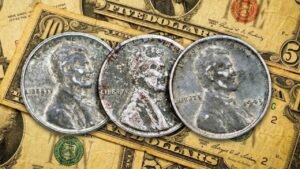
Hunt jars, estate sales, or bank rolls—these slip into change sometimes!
Wheat Penny Value Chart: 2025 Prices at a Glance
Here’s a handy table of key dates in average conditions. Prices are mid-market retail estimates for certified coins—check PCGS or NGC for yours. Commons (high-mintage years like 1940s) add 5-50 cents worn, $10-50 uncirculated.
| Year & Variety | Mint | Good-4 (Worn) | VF-20 (Light Wear) | MS-60 (Uncirculated) | MS-65 RD (Gem Red) |
|---|---|---|---|---|---|
| 1909-S VDB | S | $950 | $1,500 | $3,000 | $4,400 |
| 1914 | D | $300 | $500 | $1,200 | $6,000 |
| 1922 No D | D | $500 | $1,000 | $12,000 | $30,000 |
| 1931 | S | $125 | $200 | $500 | $8,000 |
| 1943 Bronze Error | P | $200,000 | $300,000 | $500,000 | $1,000,000+ |
| 1955 Doubled Die | P | $4,000 | $6,000 | $10,000 | $34,000 |
| 1958 (Common End) | P | $0.10 | $0.50 | $15 | $100 |
For full years, early 1909-1920s average $1-10 worn; 1920s-30s $0.50-5; wartime 1940s $0.20-2. Values climb 5-10% yearly for gems.
2025 Market Trends: What’s Hot Now
The Wheat Penny scene buzzes in 2025, with high-grade reds up 6.8% from last year. Newbies flood eBay, pushing key dates like 1909-S VDB to new auction highs—$337,700 recently. Errors like 1943 Bronze smash records over $500,000, thanks to rarity hunts.
Online sales boom 15% year-over-year, but fakes lurk—stick to graded coins. Silver-like demand for copper keeps commons steady, while inflation nudges all up 3-5%. Watch WWII errors; they’re the million-dollar stars. Overall, it’s a buyer’s market for starters, investor’s for rarities.
Smart Tips for Wheat Penny Collectors
Starting out? Easy steps to build your set without breaking the bank:
- Sort by Eye: Date first, then mint mark. Use a cheap magnifier for errors.
- Grade Smart: Send suspects to PCGS/NGC—costs $20-50 but multiplies value.
- Store Right: Acid-free albums or flips; keep dry to save that red shine.
- Buy Bulk: Penny rolls from banks ($50 for $50 face) yield commons cheap.
- Sell Wisely: eBay for quick cash, Heritage Auctions for big keys.
- Track Trends: Apps like CoinSnap or sites like Greysheet update prices free.
Patience pays—many build full sets under $200 for circulated.
Final Thoughts: Turn Pennies into Profits
From humble 1909 debuts to 1958 farewells, Wheat Pennies weave American tales into tiny copper discs. Whether chasing $1 commons or dreaming of $1M errors, this guide arms you with 2025 prices and tips to thrive. Grab a loupe, raid that change drawer, and join the fun—your next flip could fund a vacation. Collect smart, stay excited!
FAQ: Wheat Penny Basics for Beginners
What’s the rarest Wheat Penny?
The 1909-S VDB tops the list with under 500,000 minted—worth $1,000+ even worn.
Do all Wheat Pennies have value?
Most circulated ones from busy years are just face value, but check dates—keys jump to $100+.
How do I spot a 1943 Bronze error?
It should be steel (silver-gray), but bronze looks coppery. Test with a magnet—steel sticks, bronze doesn’t.
Is grading worth the cost?
Yes for possibles over $50; it verifies and often doubles resale.
Where’s the best place to sell my Wheat Penny?
Local shops for quick deals, or online auctions like eBay/PCGS for max bids on rarities.