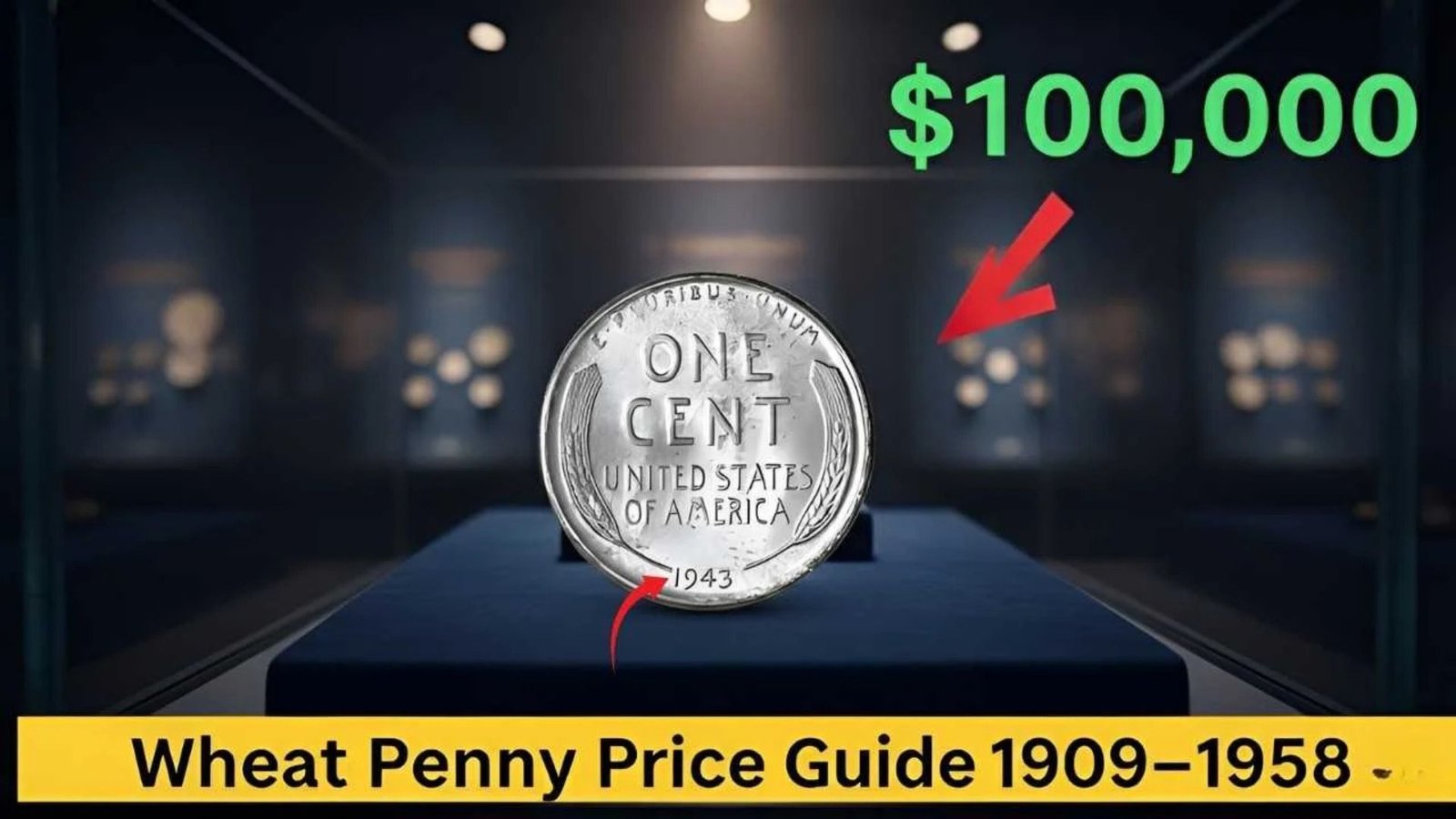
Imagine finding a dusty roll of old pennies and discovering one could fund a vacation. The Lincoln wheat penny, produced from 1909 to 1958, remains one of the most beloved U.S. coin series in 2025. From common dates worth pocket change to ultra-rare keys selling for six figures, values swing wildly based on year, condition, and errors. This ultimate wheat penny values 2025 guide delivers a clear price chart, key dates, and current trends for collectors at every level.
Quick History of the Wheat Cent Series
The Mint debuted the wheat penny in 1909 to honor Abraham Lincoln’s centennial birthday. Victor D. Brenner’s design showed Lincoln on the front and wheat ears on the back. Coins came from Philadelphia (no mint mark), Denver (D), and San Francisco (S). Wartime 1943 steel cents saved copper, creating famous bronze errors. The series ended in 1958 when the Memorial reverse took over.
What Determines Wheat Penny Prices Today
Condition rules everything—graded on the Sheldon scale from worn Good-4 to flawless MS-70 Red. Full original red color commands top dollar over red-brown or brown. Low mintages, especially San Francisco issues, drive rarity. Dramatic errors and varieties turn ordinary coins into treasures worth thousands.
2025 Value Chart for Top Wheat Pennies
Values below reflect recent auction data for Good (circulated) and MS-65 Red (high uncirculated) grades. Prices fluctuate, so check PCGS or NGC for real-time updates.
| Year/Mint | Notable Feature | Good Value | MS-65 Red Value |
|---|---|---|---|
| 1909-S VDB | Designer initials, low mintage | $600+ | $90,000+ |
| 1909-S | Scarce without VDB | $90+ | $4,500+ |
| 1914-D | Key Denver date | $180+ | $12,000+ |
| 1922 No D | Missing mint mark error | $450+ | $25,000+ |
| 1931-S | Low-mintage semi-key | $55+ | $2,800+ |
| 1955 Doubled Die | Dramatic obverse doubling | $900+ | $2,200+ |
Most Valuable Errors and Varieties
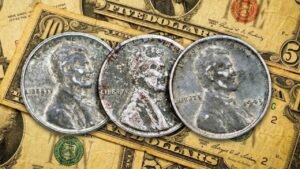
The 1943 Bronze (struck in copper instead of steel) tops the list—one graded example sold for over $1 million. Its counterpart, the 1944 Steel, also hits six figures. The 1955 Doubled Die Obverse shows bold doubling on date and letters. The 1922 Plain (No D) occurred when die wear erased the mint mark.
Current Market Trends in 2025
Collector demand stays strong, pushing certified high-grade reds higher year over year. Key dates like the 1909-S VDB continue breaking records at auction. Common circulated wheat pennies remain affordable at 10–50 cents each, perfect for filling albums. New collectors entering the hobby keep the market active, especially online.
Smart Tips for Collectors and Sellers
Hunt rolls, estate lots, or buy certified coins from trusted sources. Use a 10x loupe to spot varieties and check condition. Never clean coins—doing so destroys value. Store in acid-free holders or albums. Submit promising pieces to PCGS or NGC for grading and authentication.
FAQs – Wheat Penny Values 2025
- What is the highest-value wheat penny? The 1943 Bronze cent in top grade—over $1 million at major auctions.
- Are most wheat pennies valuable? No—common circulated dates are worth only 10–50 cents each.
- How do I identify a valuable wheat penny? Check the date, mint mark (D or S under date), and look for visible errors.
- Is professional grading worth it? Absolutely for potential keys—it confirms authenticity and boosts resale price.
- Where should I buy or sell wheat pennies? Reputable dealers, major auctions (Heritage, Stack’s Bowers), or certified eBay listings.
Conclusion
The 1909-1958 wheat penny series offers endless excitement—from affordable date runs to life-changing rarities. In 2025, strong demand and rising auction prices make it a great time to sort old jars, complete sets, or invest in quality pieces. Stay informed with current price guides, handle coins carefully, and enjoy one of America’s most iconic collectibles.