
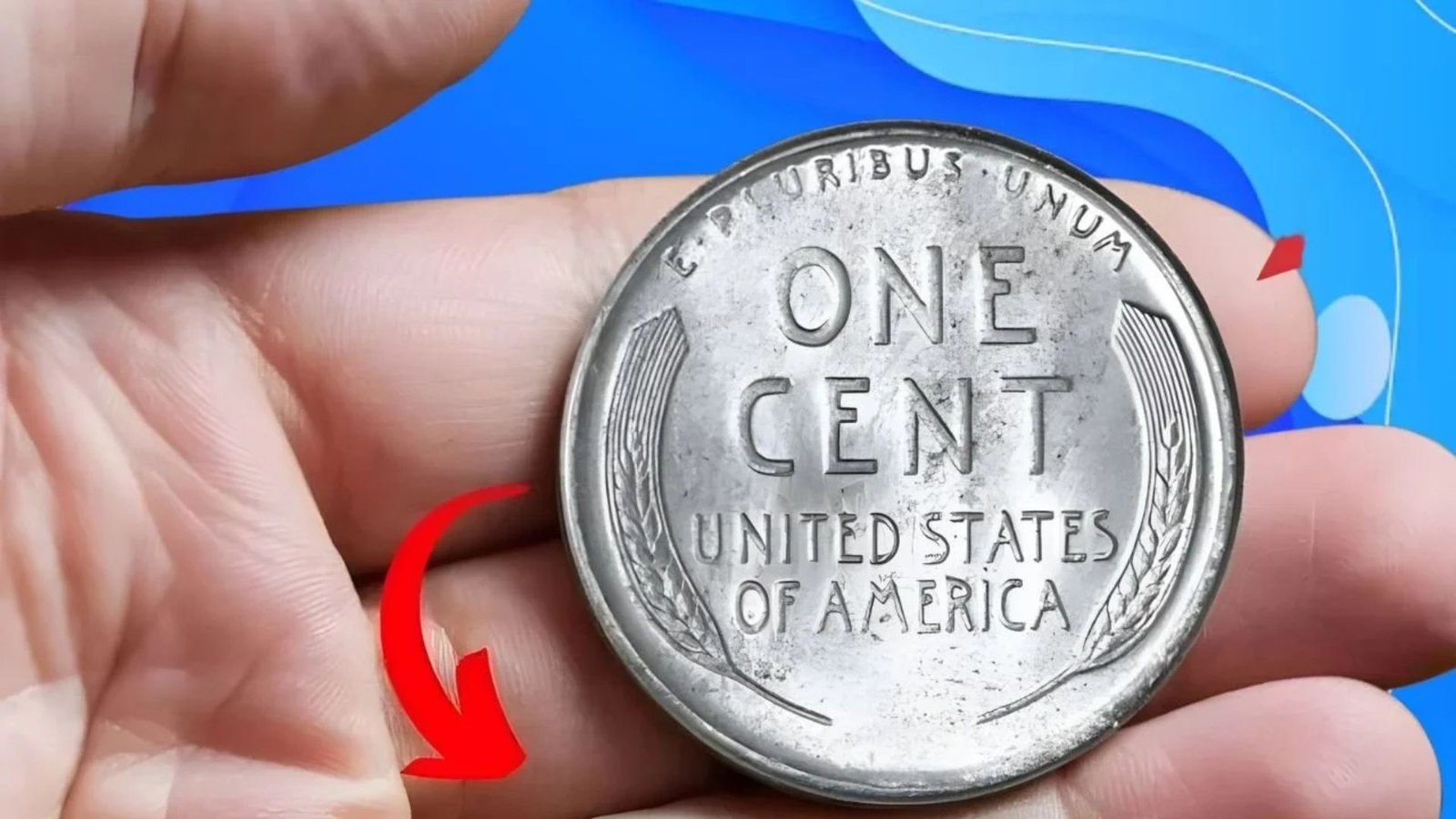
Picture digging through an old jar of pennies and spotting a tiny copper coin with wheat stalks on the back. That humble wheat penny—officially the Lincoln Wheat Cent, minted from 1909 to 1958—could be worth far more than one cent today. Collectors cherish these iconic pieces for their history, rarity, and potential value in 2025. Whether you’re a beginner sorting pocket change or a seasoned numismatist, this complete guide breaks down wheat penny values by year, key dates, errors, and tips to maximize your finds.
History of the Wheat Penny
The U.S. Mint introduced the wheat penny in 1909 to celebrate Abraham Lincoln’s 100th birthday. Victor David Brenner designed it, featuring Lincoln’s portrait on the obverse and two wheat ears on the reverse—hence the nickname. Over 50 years, billions were produced at Philadelphia (no mint mark), Denver (D), and San Francisco (S). Composition shifted in 1943 to zinc-coated steel for wartime copper conservation, then back to copper in 1944–1958 (95% copper, 5% tin/zinc). The design ended in 1958, replaced by the Lincoln Memorial reverse in 1959.
Factors Affecting Wheat Penny Value
Condition reigns supreme—use the Sheldon scale from Poor (P-1) to Perfect Uncirculated (MS-70). “Red” (RD) full original copper color commands the highest premiums, followed by Red-Brown (RB) and Brown (BN). Rarity depends on mintage, mint mark, and survival rate—low-mintage dates like San Francisco issues shine. Errors and varieties, such as doubled dies or off-metal strikes, can multiply value dramatically. Professional grading by PCGS or NGC authenticates and often boosts resale prices significantly.
Common vs. Rare Wheat Pennies
Most circulated wheat pennies from the 1930s–1950s are worth 5–50 cents due to high mintages. Early dates (1909–1933) or those with low production hold more value even in worn condition. Uncirculated examples with sharp details and luster start at $10+ for commons and soar into thousands for rarities.
Key Date Wheat Pennies and Values (2025 Estimates)
These standout dates drive collector demand. Values are approximate for MS-65 RD condition unless noted; circulated examples are much lower.
| Year | Mint Mark | Key Notes | Approx. Value (Good) | Approx. Value (MS-65 RD) |
|---|---|---|---|---|
| 1909-S VDB | S | Lowest mintage, designer’s initials | $500+ | $100,000+ |
| 1909-S | S | Scarce San Francisco issue | $100+ | $5,000+ |
| 1914-D | D | Low mintage key date | $150+ | $10,000+ |
| 1922 No D | None | Missing mint mark error | $500+ | $20,000+ |
| 1931-S | S | Semi-key low mintage | $50+ | $2,000+ |
| 1955 DDO | None | Famous doubled die obverse | $1,000+ | $2,000+ |
Famous Errors and Varieties Worth Big Money
Errors turn ordinary pennies into treasures. The 1943 Bronze (off-metal, copper instead of steel) can reach $1,000,000+ in high grade. The 1944 Steel (reverse error) fetches $100,000+. The 1955 Doubled Die Obverse shows dramatic doubling on date and lettering—visible to the naked eye. The 1922 Plain (No D) results from die erosion hiding the mint mark. The 1958 DDO is an ultra-rare late-series doubled die with few known examples.
How to Grade and Store Your Wheat Pennies
Examine under good light with a magnifier: check Lincoln’s cheek, hair details, and wheat stalks for wear. Avoid cleaning—harsh methods reduce value drastically. Store in acid-free albums, flips, or slabs to prevent toning and damage. For potentially valuable coins, submit to PCGS or NGC for authentication and protection.
Tips for Building a Wheat Penny Collection
Start with affordable date sets from rolls or bulk lots—many commons cost under $1. Focus on upgrades: seek high-grade reds for better returns. Hunt varieties using resources like Cherrypickers’ Guide. Buy from reputable dealers or auctions; sell graded coins for premium prices.
FAQs – Wheat Penny Values
- What is the most valuable wheat penny? The 1909-S VDB in top grade, often exceeding $100,000; 1943 bronze errors top $1 million.
- Are all wheat pennies valuable? No—most circulated ones are worth 5–50 cents, but check for key dates and errors.
- How can I tell if my wheat penny is rare? Look for mint mark (under date), year, and anomalies like doubling or wrong metal.
- Should I get my wheat pennies graded? Yes for suspected valuables—grading confirms authenticity and boosts resale value.
- Where can I sell wheat pennies? Reputable dealers, auctions (Heritage, eBay), or coin shows; avoid pawn shops for fair prices.
Conclusion
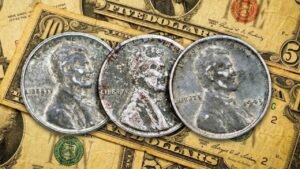
Wheat pennies blend American history with exciting collecting potential—from everyday finds worth pocket change to rarities fetching six figures. As of December 2025, demand remains strong for high-grade and key pieces. Sort your change, inheritances, or rolls today—you might uncover a hidden gem. Consult current price guides like PCGS or NGC for latest values, and enjoy the thrill of the hunt.